


Electrical systems power everything in your workplace, from computers and machinery to lighting and climate control. While these systems typically run smoothly in the background, electrical problems can strike without warning, creating dangerous situations that threaten employee safety and business operations.
Every year, workplace electrical accidents cause serious injuries, expensive equipment damage, and costly business interruptions that could have been prevented with proper maintenance and safety protocols. The difference between a safe workplace and a dangerous one often comes down to consistent electrical maintenance and employee awareness.
Understanding electrical safety isn’t just about following rules—it’s about creating a culture where everyone recognizes potential hazards and knows how to respond appropriately. When electrical systems are properly maintained and safety protocols are followed, workplaces run more efficiently while protecting the people who depend on them.
At Archer Electric in Southern Wisconsin, master electrician Russel J. Scharrer brings over 30 years of electrical industry experience to help businesses maintain safe, efficient electrical systems. Our experience has shown that proactive maintenance and proper safety training prevent the majority of workplace electrical incidents.
Understanding the Critical Role of Electrical Maintenance
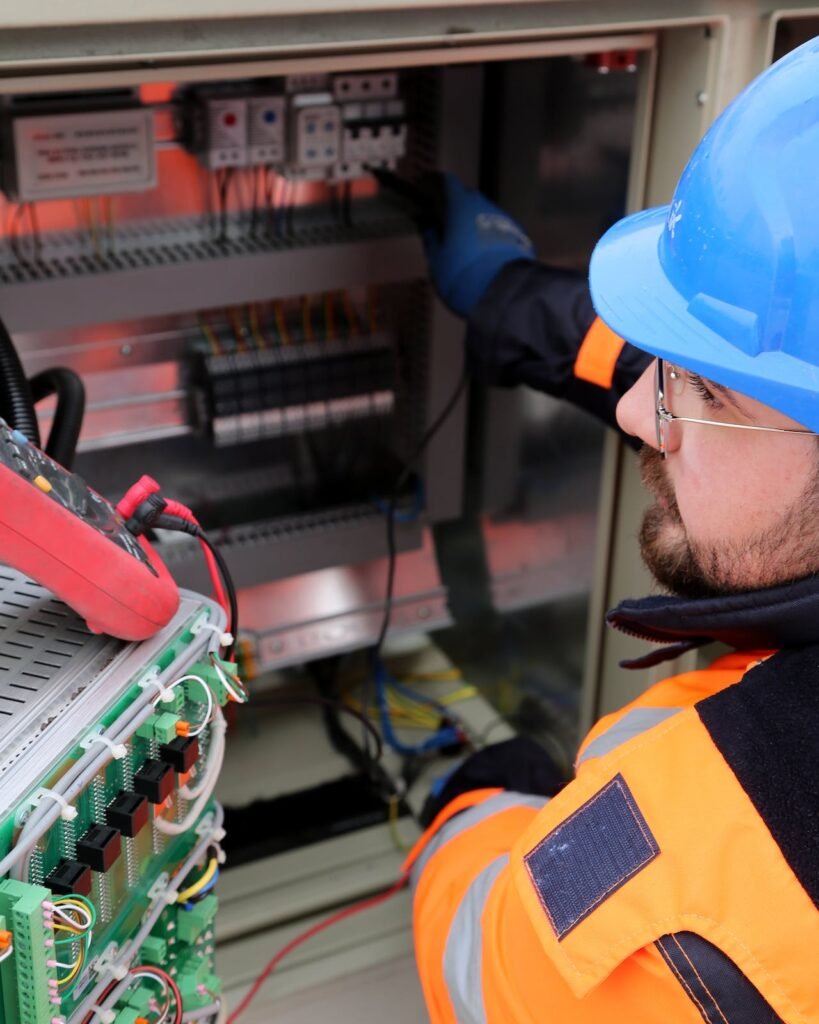
Electrical maintenance involves systematic inspection, testing, cleaning, and repair of electrical equipment to ensure optimal performance and safety. This process goes far beyond fixing problems after they occur—it focuses on preventing issues before they can threaten your workplace or operations.
Professional electrical maintenance combines scheduled inspections with immediate response to identified problems. Qualified electricians use specialized testing equipment to detect issues invisible to untrained observers, such as loose connections that create heat buildup or insulation breakdown that increases shock risk.
The maintenance process follows established procedures and checklists that ensure nothing gets overlooked. This systematic approach catches small problems before they become expensive emergencies while maintaining compliance with electrical safety regulations that protect your business from liability.
Why Electrical Maintenance Protects Your Business
- Employee Safety and Legal Compliance: Workplace electrical safety regulations exist to protect employees from shock, burns, and other electrical hazards. Regular maintenance ensures your electrical systems meet current safety standards while demonstrating your commitment to employee welfare. This proactive approach reduces accident risk and helps avoid costly OSHA violations.
- Equipment Protection and Operational Continuity: Electrical problems can destroy expensive equipment and halt business operations without warning. Regular maintenance identifies potential failures before they occur, allowing scheduled repairs that minimize downtime and avoid emergency replacement costs.
- Energy Efficiency and Cost Control: Well-maintained electrical systems operate more efficiently, consuming less energy while delivering better performance. Loose connections, dirty contacts, and worn components all increase energy consumption and utility costs. Professional maintenance optimizes system efficiency while extending equipment life.
- Informed Decision Making: Professional electricians provide valuable insights about equipment condition, replacement timelines, and upgrade opportunities. This information helps you make informed decisions about capital investments and prevents unexpected equipment failures that disrupt operations.
Essential Safety Equipment for Electrical Work
Proper personal protective equipment (PPE) forms the foundation of electrical safety in any workplace. Workers who interact with electrical systems must have access to appropriate safety gear and understand how to use it correctly.
- Eye and Face Protection Safety glasses and face shields protect against arc flash, sparks, and debris that can cause serious eye injuries. Different tasks require specific protection levels—routine inspections might need only safety glasses, while electrical panel work requires full face shields.
- Head and Body Protection: Hard hats protect against falling objects and accidental contact with overhead electrical hazards. Flame-resistant clothing prevents burns from arc flash incidents, while insulating sleeves provide additional protection for arms working near energized equipment.
- Hand and Foot Safety: Insulated gloves with leather protectors are essential when working near energized equipment. These specialized gloves are tested and rated for specific voltage levels. Safety boots with non-conductive soles prevent electrical shock through ground contact.
- Environmental Protection: Insulating mats create safe working surfaces around electrical equipment, while proper lighting ensures workers can see potential hazards clearly. All safety equipment must be regularly inspected and replaced when damaged or worn.
Fundamental Electrical Safety Protocols
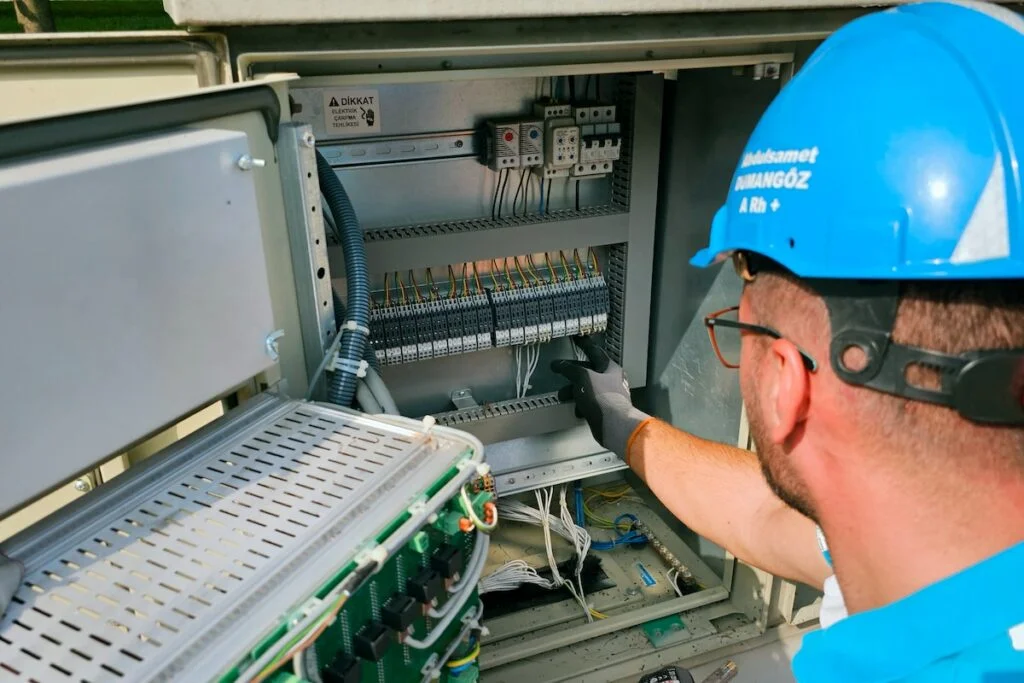
- Power Isolation Procedures: The most critical safety rule involves turning off power before working on electrical equipment. This lockout/tagout procedure requires specific training and equipment to ensure power remains off throughout the work period. Never assume equipment is de-energized—always test to verify.
- Environmental Hazard Assessment: Water and electricity create deadly combinations. Before beginning electrical work, inspect the area for standing water, leaks, or high humidity conditions. Work areas must be dry and well-ventilated to prevent shock hazards and ensure worker safety.
- Equipment Condition Inspection: Visual inspection should precede any electrical work. Look for damaged wires, broken insulation, burn marks, or unusual odors that indicate problems. Never work on equipment showing signs of damage until qualified personnel can evaluate and repair the issues.
- Professional Expertise Recognition: Some electrical work requires licensed electrician expertise and should never be attempted by unqualified personnel. Complex repairs, panel modifications, and code compliance work must be performed by professionals with appropriate training and credentials.
Comprehensive Maintenance Benefits
- Enhanced Workplace Safety: Regular electrical maintenance significantly reduces the risk of electrical fires, shock incidents, and equipment failures that can injure employees or damage property. Professional inspections identify potential hazards before they become dangerous, creating safer working environments for everyone.
- Equipment Reliability and Longevity: Clean, properly maintained electrical equipment operates more reliably and lasts longer than neglected systems. Regular cleaning removes dust and debris that can cause overheating, while tightening connections prevents arcing that damages components.
- Code Compliance and Legal Protection: Electrical codes change regularly, and maintenance programs help ensure your systems remain compliant with current standards. This compliance protects your business from legal liability and helps avoid costly violations during inspections.
- Operational Efficiency: Well-maintained electrical systems provide consistent, reliable power that keeps your business running smoothly. Preventive maintenance prevents unexpected outages that can halt production and cost significant revenue.
Daily Electrical Safety Practices
- Equipment Management: Unplug unused equipment to eliminate unnecessary electrical loads and reduce fire risk. These “energy vampires” consume power even when not in active use, increasing utility costs while creating potential safety hazards. Establish procedures for shutting down non-essential equipment during off-hours.
- Cord and Connection Inspection: Inspect electrical cords regularly for signs of damage, wear, or overheating. Frayed insulation, loose connections, and damaged plugs create shock and fire hazards that require immediate attention. Replace damaged cords immediately rather than attempting temporary repairs.
- Load Management: Avoid overloading electrical outlets and circuits, which can cause overheating and fire hazards. High-power equipment like heaters and refrigerators should have dedicated circuits and should never share power with other devices. Understand the electrical capacity of your systems and stay within safe limits.
- Extension Cord Safety: Use extension cords only for temporary applications and low-power devices. Permanent installations should use proper wiring installed by qualified electricians. When extension cords are necessary, ensure they’re rated for the intended use and inspect them regularly for damage.
Creating a Maintenance Schedule
- Regular Inspection Protocols: Establish regular inspection schedules based on equipment type, usage patterns, and manufacturer recommendations. Critical systems may require monthly inspections, while less critical equipment might need only annual reviews. Document all inspections and maintain records for compliance and trend analysis.
- Professional Assessment Timeline: Schedule professional electrical assessments annually or as recommended for your specific industry and equipment. These comprehensive evaluations go beyond routine inspections to identify potential problems and ensure continued code compliance.
- Emergency Response Procedures: Develop clear procedures for responding to electrical emergencies, including equipment failures, power outages, and suspected electrical hazards. Ensure all employees know how to report problems and whom to contact for emergency electrical service.
Understanding Circuit Protection
- Surge Protection Systems: Install appropriate surge protection for sensitive electronic equipment, but understand the limitations of these devices. Surge protectors work well for computers and electronics but aren’t suitable for high-power equipment that should connect directly to wall outlets.
- Circuit Loading Guidelines: Understand the electrical capacity of your circuits and avoid overloading them with too many devices or high-power equipment. Distribute electrical loads evenly across available circuits and consider upgrading electrical systems if current capacity is inadequate.
- Professional Installation Requirement:s Some electrical work requires professional installation to ensure safety and code compliance. Don’t attempt to modify electrical panels, install new circuits, or make permanent electrical connections without proper training and licensing.
When to Call Professional Electricians
Complex electrical problems require professional expertise to diagnose and repair safely. Licensed electricians have the training, tools, and experience necessary to handle electrical issues that could be dangerous for untrained personnel to attempt.
Professional electricians also understand local electrical codes and permit requirements, ensuring that repairs and modifications meet current standards. This expertise protects your business from code violations and ensures that work is performed safely and correctly.
Building an Electrical Safety Culture
Creating a safe workplace requires more than just following rules—it requires building a culture where everyone takes electrical safety seriously. Provide regular training, encourage reporting of potential hazards, and recognize employees who demonstrate good safety practices.
Regular safety meetings that discuss electrical hazards and prevention strategies help keep safety awareness high. When employees understand the reasons behind safety rules, they’re more likely to follow them consistently.
Your Partner in Electrical Safety
Professional electrical maintenance and safety training are investments in your business’s future. Quality electrical service helps prevent accidents, reduces operating costs, and ensures reliable operations that support business success. Archer Electric combines decades of experience with comprehensive electrical services that keep Wisconsin businesses operating safely and efficiently. Master electrician Russel J. Scharrer’s 30+ years of industry experience ensures your electrical systems receive expert care and maintenance.
Our services include electrical maintenance, engineering solutions, and safety training programs that help businesses create safer workplaces while improving operational efficiency. We understand the unique electrical challenges facing Wisconsin businesses and provide solutions tailored to your specific needs.
Ready to improve your workplace electrical safety and efficiency? Contact Archer Electric at 262-352-5722 or email electricarcher@gmail.com to discuss your electrical maintenance and safety training needs. Don’t wait for electrical problems to threaten your workplace safety and operations. Let our expertise help you create a safer, more efficient electrical environment that protects your employees and supports your business success.
