


Electrical systems form the backbone of every modern building, and choosing the right electrical engineer can make or break your construction project. A skilled engineer ensures safety, efficiency, and code compliance, while a poor choice can lead to costly delays, dangerous installations, and failed inspections.
At Archer Electric in Southern Wisconsin, we’ve seen how the right engineering expertise transforms construction projects from potential disasters into smoothly running operations. With master electrician Russel J. Scharrer bringing over 30 years of electrical industry experience to every project, we understand what separates exceptional electrical engineering from mediocre work.
Whether you’re building a new facility, renovating an existing structure, or upgrading electrical systems, knowing what to look for in an electrical engineer protects your investment and ensures project success.
Understanding the Electrical Engineer’s Role
Before hiring an electrical engineer, you need to understand what they actually do and how they contribute to your project’s success. Electrical engineers design and test electrical systems and equipment, ensuring everything works safely and efficiently. Their responsibilities extend far beyond simply connecting wires – they’re problem-solvers who create comprehensive electrical solutions tailored to your specific needs.
Core Responsibilities
Electrical engineers begin by assessing your electricity requirements and determining what type of electrical system best serves your needs. They create detailed drawings and diagrams showing how the electrical system will function throughout your structure.
Material selection falls under their expertise as they choose appropriate components including circuit breakers, motors, transformers, and distribution panels. They build system models and conduct thorough testing to verify safety and efficiency before installation begins.
Collaboration with other construction professionals ensures the electrical system integrates properly with architectural, mechanical, and structural elements. They document specifications for how systems should be built and maintained, providing crucial information for future repairs and upgrades. Many electrical engineers also oversee installation and provide ongoing maintenance support, ensuring systems continue operating at peak performance.
Problems Electrical Engineers Solve
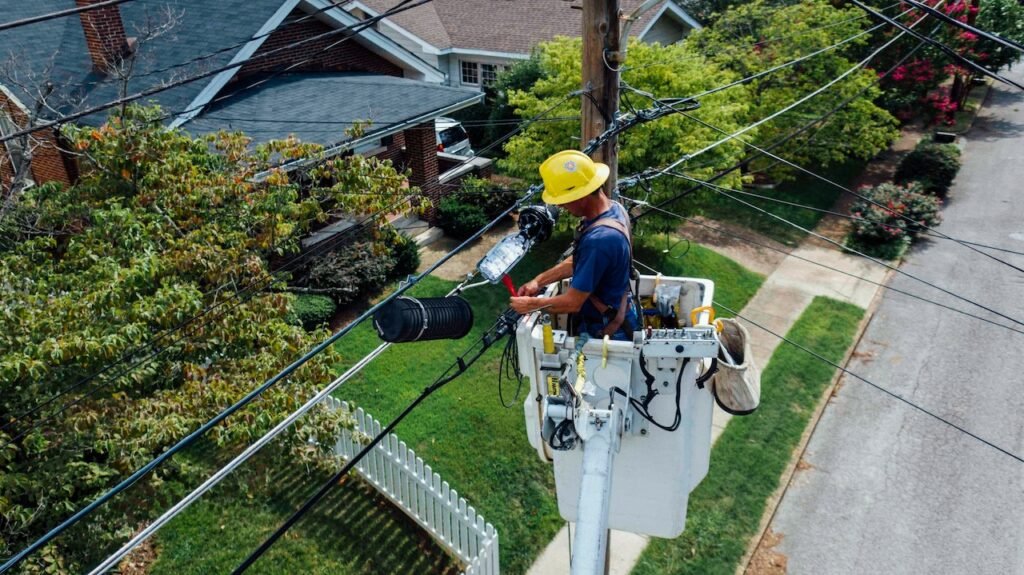
Understanding what issues electrical engineers address helps you evaluate whether candidates have experience relevant to your project.
Energy Efficiency Optimization
Modern electrical engineers design systems that minimize energy consumption while maintaining performance. They implement efficient cooling, heating, and lighting systems that reduce operating costs and environmental impact.
Electrical Infrastructure Development
For larger projects, engineers design electrical infrastructure including power distribution systems and transmission lines that deliver reliable, efficient electrical power throughout your facility.
Safety System Design
Electrical hazards pose serious risks including electric shock, arc flash incidents, electrical fires, and explosions. Engineers create safety policies and implement protective systems that keep occupants safe from these dangers.
Electronic System Integration
Today’s buildings require sophisticated electronic systems including circuits, microprocessors, and sensors for everything from security to climate control. Engineers design and integrate these systems seamlessly.
Power Generation and Distribution
Engineers develop systems that generate, transmit, and distribute electrical power from various sources including traditional fossil fuels and renewable options like solar and wind energy.
Renewable Energy Implementation
As sustainability becomes increasingly important, electrical engineers design systems that utilize renewable energy sources, reducing dependence on fossil fuels and lowering long-term operating costs.
Research and Development
Experienced engineers stay current with industry advances and apply innovative solutions to complex challenges, bringing cutting-edge approaches to your project.
Seven Essential Factors for Hiring the Right Electrical Engineer
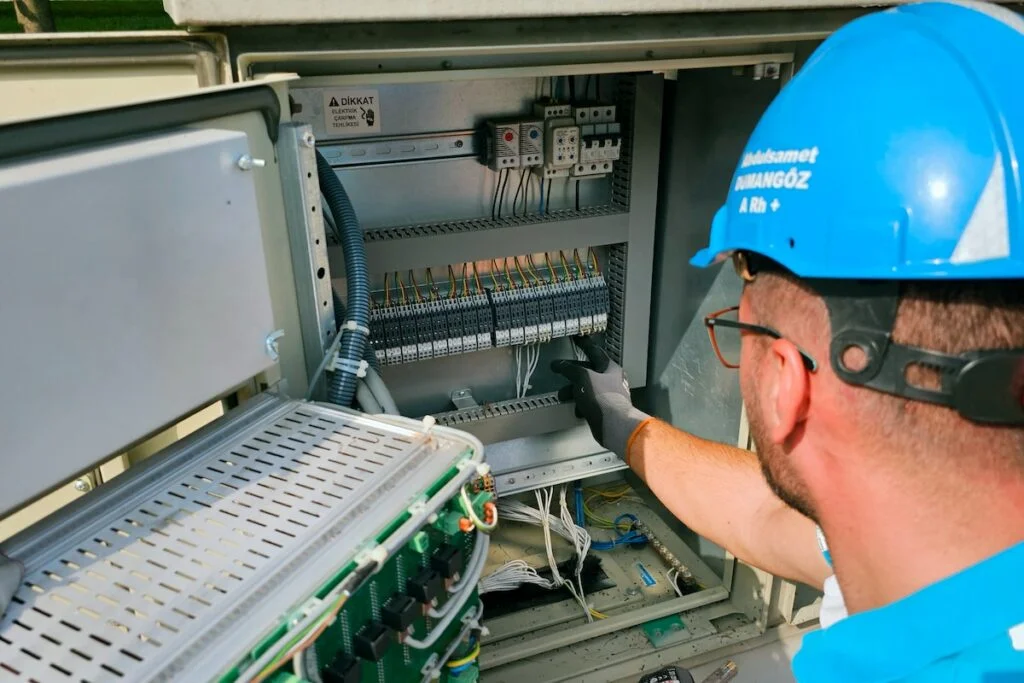
Smart hiring decisions start with knowing exactly what qualifications and characteristics separate exceptional engineers from inadequate ones.
1. Education and Training Credentials
Electrical engineering demands precision and expertise. Mistakes in electrical systems can prove dangerous and expensive, making proper education and training non-negotiable. Interview candidates about their educational background and specialized training relevant to your project type. Ask specific questions about their engineering curriculum and any continuing education they’ve completed.
Failing to verify educational credentials can lead to serious problems. Unqualified individuals may struggle with complex technical challenges, creating safety hazards and project delays. Ensure your engineer has legitimate credentials from accredited institutions and relevant training for your specific project requirements.
2. Professional Licensing and Qualifications
Licensing requirements exist for good reasons – they verify that engineers meet minimum competency standards and maintain professional accountability.
Required Credentials
Electrical engineers must typically hold a bachelor’s degree in electrical engineering from an accredited program. Professional licensure requires passing rigorous examinations including the Fundamentals of Engineering (FE) exam and the Professional Engineer (PE) exam.
Beyond formal credentials, relevant experience in projects similar to yours demonstrates practical capability. Engineers with proper licensing have proven their knowledge, skills, and ability to deliver reliable results.
Verify all licensing with state regulatory boards. Licensed engineers carry professional liability insurance and adhere to ethical standards that protect you and your project.
3. Long-Term Availability and Commitment
Construction projects benefit from continuity. Constantly changing engineers creates communication problems, inconsistencies, and potential errors.
Growth and Stability
Discuss the engineer’s long-term goals and availability. You want someone who views your project as an important engagement worth their sustained attention, not just another quick job. Engineers interested in building lasting professional relationships typically provide better service and remain available for future needs, troubleshooting, and system expansions.
4. Project-Specific Experience and Requirements

Not all electrical engineers have experience with every type of project. Matching their background to your specific needs increases the likelihood of success.
Evaluating Relevant Experience
Schedule detailed interviews to assess whether candidates can deliver what your project demands. Ask about previous projects similar to yours, including scope, complexity, and unique challenges they faced. Inquire about specific problems they’ve encountered and how they resolved them. Their answers reveal problem-solving capabilities and technical depth. Clearly communicate your project requirements during these meetings. You need an engineer who understands your needs and has demonstrable experience meeting similar challenges.
5. Budget Compatibility and Value
Budget considerations affect every construction decision, but choosing electrical engineers based solely on price can prove disastrous.
Understanding Cost vs Value
Prepare a realistic budget that accounts for quality engineering services. The cheapest option rarely delivers the best value, and cutting corners on electrical engineering can create expensive problems requiring costly corrections. Evaluate quotes based on scope of services, experience level, and expected outcomes rather than just price. Quality engineering work costs more upfront but saves money by preventing problems and ensuring efficient, code-compliant installations.
6. Flexibility and Problem-Solving Ability
Construction projects rarely proceed exactly as planned. Unexpected challenges arise, requiring creative solutions and adaptive thinking.
Adapting to Change
Electrical work often involves navigating unforeseen obstacles including hidden structural issues, material availability problems, and design modifications requested by other trades or building officials. Choose an engineer comfortable with ambiguity and capable of developing innovative solutions. They should think creatively, communicate effectively about alternatives, and make sound decisions under pressure. During interviews, present hypothetical challenges and evaluate how candidates approach problem-solving. Their responses reveal flexibility and creative thinking abilities.
7. Consistent Project Presence
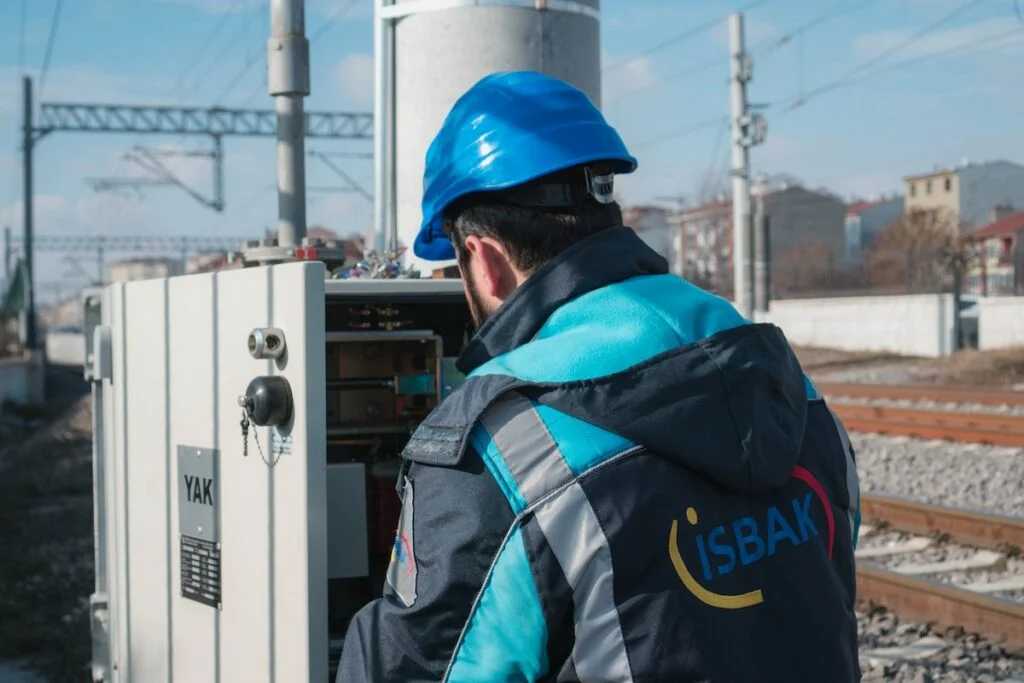
Electrical systems require consistent oversight throughout construction. Engineers who disappear during critical phases create confusion and increase error risk.
Availability Throughout Construction
Verify that your engineer will remain actively involved from design through completion. Construction schedules change, and you need someone committed to seeing the project through regardless of timeline adjustments. Electrical work permits multiple approaches to achieving similar results. Consistency in engineering oversight ensures that whoever implements the design understands the engineer’s intent and maintains quality standards throughout construction.
Making the Right Choice
Hiring an electrical engineer represents a significant decision affecting your project’s safety, functionality, and long-term performance. Taking time to thoroughly evaluate candidates based on these seven factors protects your investment and increases the likelihood of success.
Look for engineers who combine strong technical credentials with practical experience, professional accountability, and genuine commitment to your project. The right engineer brings not just knowledge but also problem-solving ability, flexibility, and dedication to delivering quality results.
Professional Electrical Engineering Services
At Archer Electric, we provide comprehensive electrical and engineering services backed by over three decades of industry experience. Master electrician Russel J. Scharrer leads our team, bringing expertise that ensures your project receives the skilled engineering guidance it deserves.
We serve Southern Wisconsin and surrounding areas with electrical engineering services, electrical installations, and electrical safety training. Our approach combines technical expertise with practical understanding of construction realities, helping projects succeed from initial design through final inspection. Whether you’re planning a new construction project, major renovation, or electrical system upgrade, professional engineering guidance makes the difference between adequate results and exceptional ones.
Ready to discuss your project’s electrical engineering needs? Contact Archer Electric today at 262-352-5722 or email electricarcher@gmail.com. Let our experience and expertise help ensure your project’s electrical systems meet the highest standards for safety, efficiency, and reliability.
