

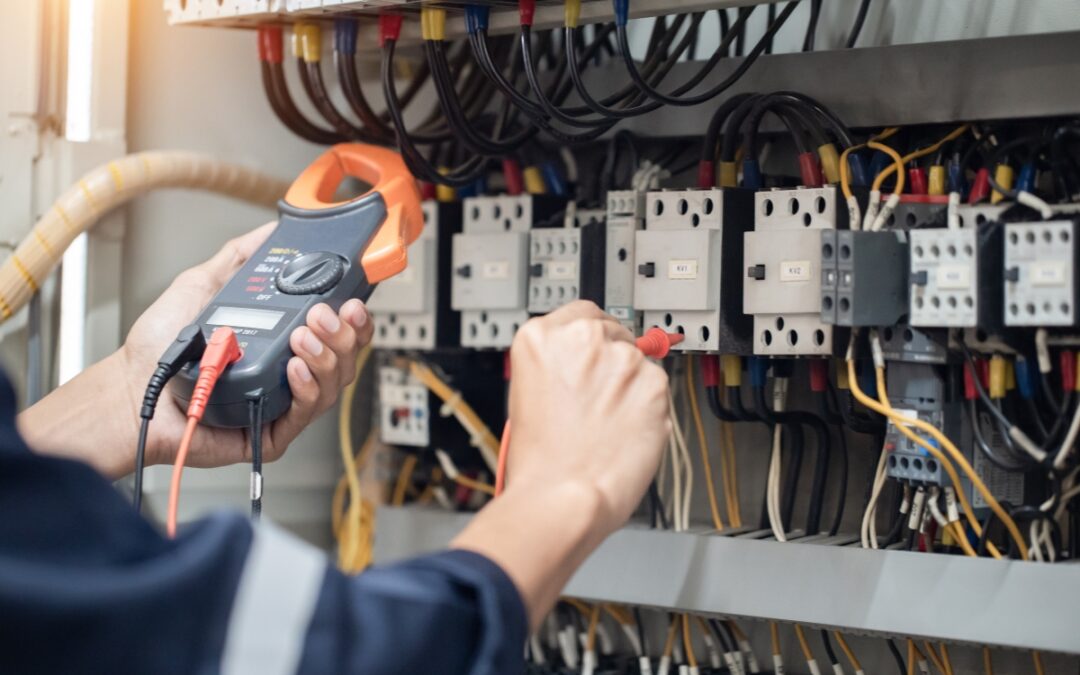
Step inside a data center, a manufacturing floor, or a high-rise hospital and you’re immediately surrounded by energy you can’t see but entirely depend on. Hit a light switch and there it is. Simple, right? In these environments, keeping everything powered is anything but. It’s a precise engineering challenge where mistakes cost serious money and, in some cases, lives.
This is where Commercial Power Specialists come in. They’re nothing like a residential electrician fixing a faulty outlet. These are the professionals designing major power systems, troubleshooting emergencies at two in the morning, and making sure an entire facility doesn’t go dark. Their work demands deep expertise, sharp instincts, and a high tolerance for pressure.
What Makes a Specialist Different?
#image_title
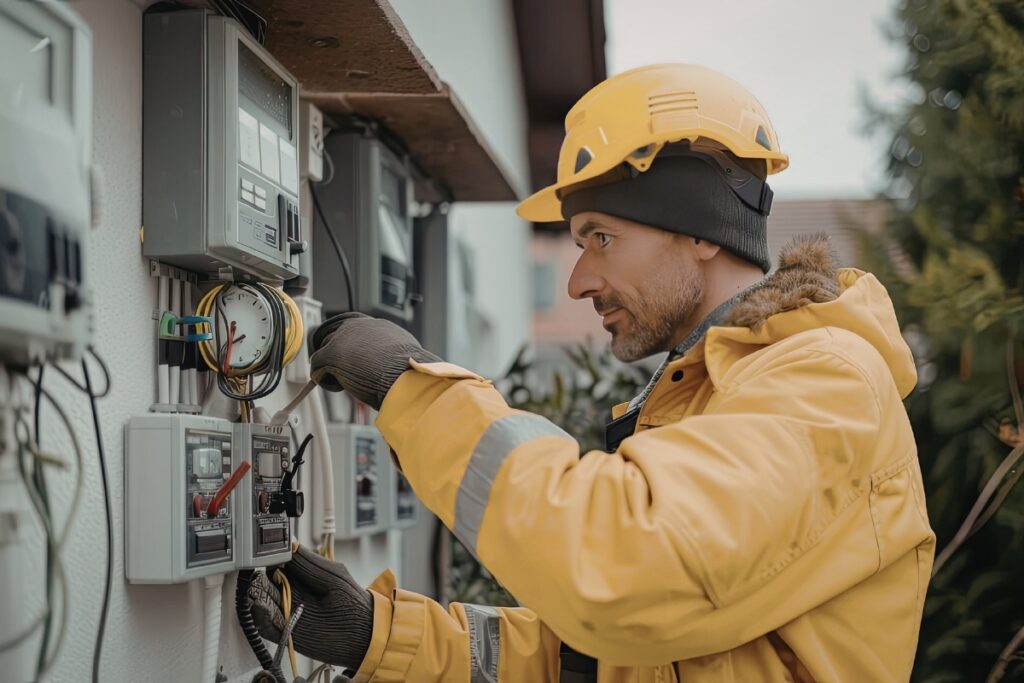
Residential wiring and commercial power aren’t in the same league.
Big Voltages, Big Responsibility
A typical home runs on 120 or 240 volts. Commercial specialists work with 480-volt three-phase systems and sometimes medium-voltage distributions pushing up to 35,000 volts. The equipment they manage could power an entire neighborhood, not just a single building.
Downtime Means Real Consequences
A home losing power is an inconvenience. In a factory or a hospital, an unplanned outage can mean millions lost in a single hour, critical data wiped, medications spoiled, or life-support equipment interrupted. Commercial specialists exist specifically to design and maintain the backup systems that prevent those scenarios from happening.
The Specialist’s Toolkit
A Commercial Power Specialist manages every layer of the power infrastructure, from the incoming utility connection to the last outlet on the floor.
Switchgear: The Central Hub
The switchgear is the nerve center. It receives incoming power, distributes it throughout the facility, and protects individual circuits. Commercial specialists work with:
- Main Distribution Boards, the building’s primary interface with the utility
- Sub-panels that divide power by floor or functional area
- Busway systems, essentially power highways that allow energy to be tapped wherever it’s needed
Backups and Redundancies
Specialists design layered safety nets for outage scenarios:
- UPS (Uninterruptible Power Supplies) that bridge the gap between a blackout and generator startup
- Large commercial generators capable of running a facility for days
- Automatic Transfer Switches (ATS) that instantly reroute power during an outage
Machine Control
Keeping equipment running smoothly is just as important as keeping the lights on. Specialists configure Variable Frequency Drives and PLCs to start motors gradually, reducing damaging power surges and extending the operational life of the equipment and the systems around it.
The New Frontier: Green Energy and Smarter Systems
#image_title
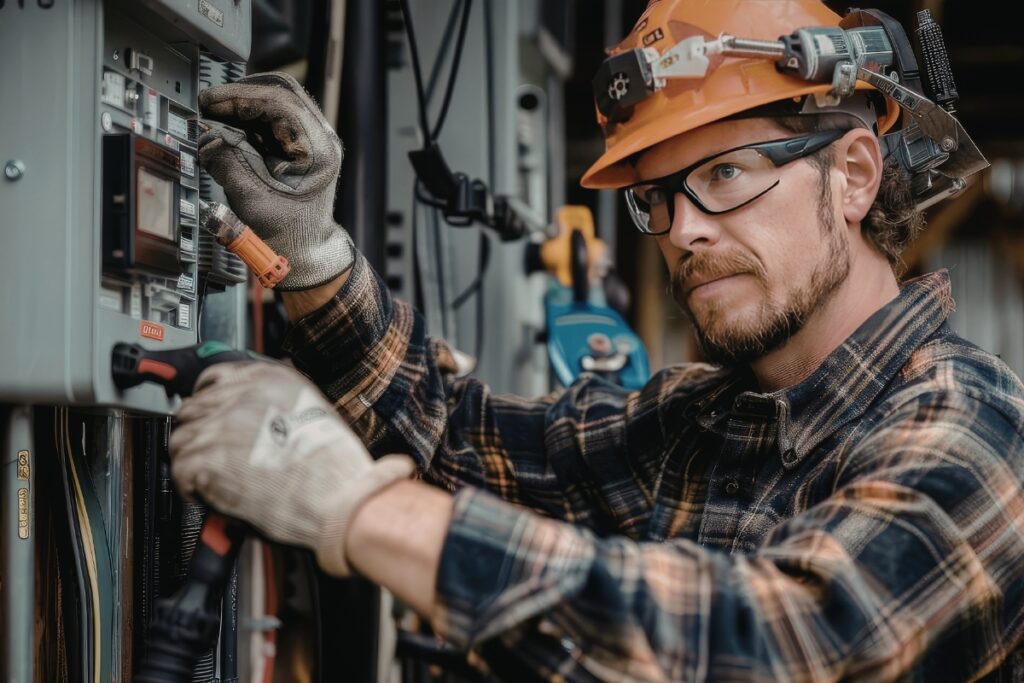
Commercial power is evolving quickly. Today’s specialists need to think like engineers and energy consultants simultaneously.
Solar, Wind, and Microgrids
More commercial facilities are generating their own power. Specialists integrate rooftop solar arrays, wind turbines, and large-scale battery storage into existing infrastructure. With microgrids, a large facility can isolate itself from the main utility grid when it’s more cost-effective or safer to do so, and stay operational when surrounding areas lose power.
EV Charging Infrastructure
The rapid growth of electric vehicles is creating new demands on commercial electrical systems. Installing a significant number of fast chargers requires upgrades across the board, from transformer capacity to smart load-management software that prevents the building from overloading during peak charging periods.
Power Quality
Modern computer systems and medical equipment are sensitive to supply irregularities. Voltage drops, frequency noise, and other forms of “dirty” power can damage or disrupt sensitive electronics. Specialists use power quality analyzers to identify and correct these issues, ensuring the supply is clean and stable.
Safety: Zero Room for Error
At high voltages, a single mistake can be catastrophic. Commercial Power Specialists follow strict safety protocols without exception.
Arc Flash Hazards
An arc flash is an electrical explosion that produces temperatures hotter than the surface of the sun, and it occurs in a fraction of a second. Specialists conduct detailed arc flash studies to identify high-risk zones and wear full personal protective equipment rated for the energy levels involved.
Lockout/Tagout Protocols
Before any work begins on energized equipment, systems are shut down, locked, and physically tagged. No circuit is re-energized accidentally. These procedures are non-negotiable on every job.
Power Efficiency Pays Off
Beyond reliability, specialists help organizations significantly reduce energy costs. Through detailed energy audits, they identify waste such as equipment drawing power unnecessarily during off-hours. Upgrading to LED lighting, optimizing HVAC controls, and redistributing electrical loads can produce savings that more than offset the cost of the work itself.
How to Identify a Real Specialist
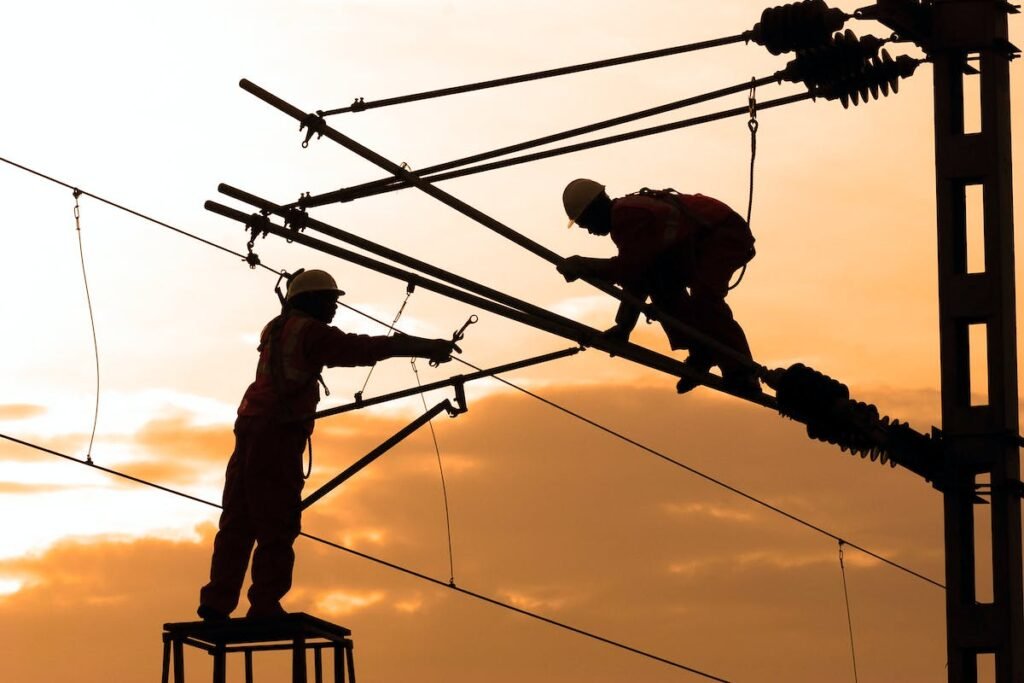
If you manage a commercial or industrial facility, experience and credentials matter. Qualified specialists bring:
- Proper bonding and insurance without exception
- Advanced certifications such as NICET or manufacturer-specific training credentials
- Professional diagnostic equipment including infrared cameras and power quality analyzers, not just a basic voltage tester
- 24/7 emergency availability, because outages don’t follow business hours
The Digital Revolution: IoT and Predictive Maintenance
The Internet of Things has fundamentally changed how commercial power is managed. Rather than waiting for a failure, specialists now use real-time data to identify problems before they cause downtime.
Smart Sensors and Cloud Monitoring
Networked sensors installed on breakers and motors continuously monitor temperature, vibration, and current draw, accessible from a laptop or mobile device. If a bearing in a large chiller motor begins to fail, the unusual vibration pattern is flagged by the sensors sometimes weeks before the motor fails entirely. This predictive approach lets maintenance teams schedule repairs on their own timeline rather than responding to emergencies in the middle of the night.
Digital Twins of Electrical Infrastructure
For complex facilities like airports and refineries, engineers are now building digital twins, complete virtual models of the electrical system. These models allow specialists to run simulations before any physical work takes place. Will the existing backup infrastructure support a new building addition? What happens to load distribution if a primary feeder fails? Digital twins answer these questions before anyone picks up a tool, preventing both costly overbuilding and dangerous under-engineering.
Retrofitting the Legacy: Modernizing Older Infrastructure

#image_title
A significant portion of commercial power work involves upgrading facilities built decades ago to meet the demands of modern operations.
The Challenge of Aging Wiring and Insulation
Many older commercial buildings used aluminum wiring or insulation materials that have deteriorated significantly after forty or more years in service. Specialists conduct life-extension studies to assess how effectively aging insulation can still perform, identify hot spots in bus ducts caused by years of thermal cycling, and pinpoint components that are approaching failure before they cause a problem.
Upgrading to Solid-State Trip Units
Older thermal-magnetic breakers were reliable but slow by today’s standards. Modern retrofits replace them with solid-state trip units, digital devices capable of making trip decisions in milliseconds. When a fault occurs, only the nearest upstream breaker responds while the rest of the system stays online.
This selective coordination means a wiring fault in one area doesn’t black out an entire floor, a meaningful upgrade in any occupied commercial building. Archer Electric, LLC is a full-service electrical contracting firm. Call +1 262-352-5722 or email electricarcher@gmail.com.
