

Hiring an electrical contractor is a significant decision for any homeowner or business owner. Electrical mistakes can be genuinely dangerous. Bad wiring causes house fires. Improper grounding can damage equipment or result in fatal shocks. You’re paying for a contractor’s expertise and integrity just as much as their labor. To make sure your project is safe, code-compliant, and cost-effective, here are ten things you need to know before signing anything.
1. The Difference Between a Journeyman and a Master Electrician
#image_title
There are levels of expertise in the electrical trade, and understanding them helps you know who is actually doing the work and who is overseeing it.
- Journeyman Electrician: Has completed formal training and is licensed to work independently. Highly skilled in installation and repair work.
- Master Electrician: The highest level of certification in the trade. Master electricians have extensive experience and have passed a rigorous exam covering the National Electrical Code (NEC). They typically pull permits and often own or operate contracting companies.
For larger projects like whole-home rewiring or significant renovations, you want a company run by a Master Electrician who can oversee the work from start to finish.
2. Check Licensing and Insurance
Don’t take a contractor’s word that they’re licensed and insured. A legitimate professional will have no hesitation showing you their documentation.
- State License: Confirm the license is active and covers electrical work specifically. Some contractors hold “handyman” licenses that don’t authorize electrical jobs.
- General Liability Insurance: Protects your property if the contractor causes damage or a fire.
- Worker’s Compensation: If a worker is injured on your property, this coverage ensures you aren’t held responsible for their medical bills or lost wages.
Always verify, never assume.
3. The Importance of Permits
If a contractor suggests skipping the permit process to save money, or asks you to pull the permit yourself, treat that as a serious warning sign. Permits matter. When a permit is issued, a third-party municipal inspector reviews the completed work before walls are closed up. That inspection is your independent confirmation that everything was done safely and to code. A contractor who wants to avoid permits is likely trying to avoid oversight.
4. Understanding the National Electrical Code (NEC)
#image_title
Electrical standards aren’t arbitrary. They’re based on the National Electrical Code, which is updated every three years to incorporate new technologies and safety research. Ask your contractor which version of the NEC your local government currently enforces.
A knowledgeable contractor should be able to explain the reasoning behind specific requirements, such as why GFCI (Ground Fault Circuit Interrupter) outlets are required near water sources, or why AFCI (Arc Fault Circuit Interrupter) breakers are used in bedrooms to reduce fire risk. If they can’t explain the “why,” that’s worth noting.
5. Detailed Estimates vs. Ballpark Quotes
A vague number is not a quote. When comparing bids, look for a written breakdown that includes:
- Scope of Work: A clear description of exactly what will and won’t be done
- Materials: The specific parts being used and their quality level
- Labor: Estimated hours or a flat rate for the job
- Exclusions: Anything the contractor explicitly will not cover
A detailed written estimate protects you from scope creep and unexpected costs once work is underway.
6. Specialization Matters
The electrical field covers a wide range of work, and not every electrician is equally suited to every type of project. An electrician who primarily handles commercial work may not be the best fit for a detailed residential lighting job in an older home.
When speaking with contractors, ask specifically about their experience with your type of project:
- Residential Service and Troubleshooting: Diagnosing and repairing issues in homes
- Remodels: Integrating new wiring with existing older systems
- Smart Home Integration: EV charger installation, automated lighting, and panel upgrades
- Heavy-Up / Panel Upgrades: Increasing your home’s electrical capacity
Relevant experience makes a measurable difference in both the quality and efficiency of the work.
7. The Quality of Materials Used
#image_title
Not all electrical components are created equal. Some contractors submit lower bids by specifying cheaper materials, such as off-brand switches or breakers with higher failure rates. Ask about the brands they use. Established names like Square D, Eaton, and Lutron have strong reputations for good reason. Also confirm that all products are UL (Underwriters Laboratories) or ETL listed, which means they’ve been independently tested for safety. Quality materials aren’t a luxury; they’re a baseline requirement for safe electrical work.
8. Communication and Professionalism
Electrical work often involves cutting into walls and shutting off power for stretches of time. That requires coordination and clear communication throughout the project.
Pay attention to how a contractor handles the bidding process as a preview of how they’ll handle the job:
- Do they return calls and messages promptly?
- Do they arrive in a marked vehicle with proper tools?
- Do they provide a realistic timeline for completion?
Disorganization during the estimate phase is a reliable indicator of how things will go once work begins.
9. Warranties and Guarantees
Most electrical hardware comes with a manufacturer’s warranty. But what about the installation itself? A confident, professional contractor will offer a labor warranty, typically at least one year, covering their work.
If something fails after the job is done, you need to know they’ll come back and fix it at no additional cost. Always get this in writing before work begins.
10. The Danger of the Lowest Bid
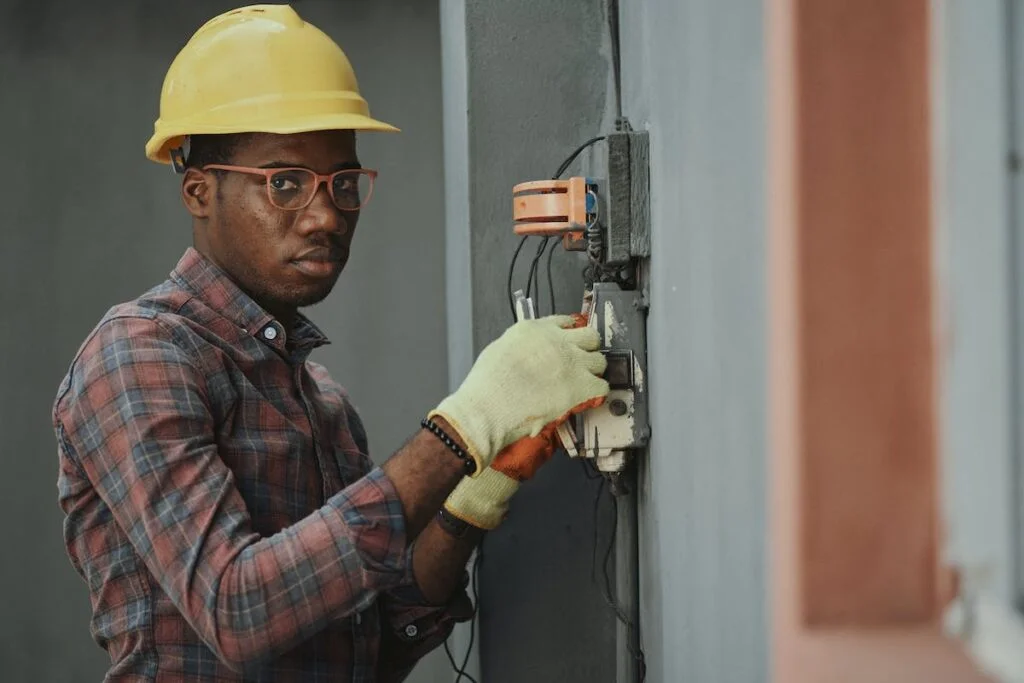
In most industries, the lowest bid deserves healthy skepticism. In electrical work, it can be a genuine warning sign.
Low bids often indicate a contractor who is:
- Cutting corners on safety measures
- Operating without a proper license or insurance
- Using substandard materials to reduce costs
- Planning to add charges later once the project is underway
Electrical work is an investment in the safety and functionality of your property. Choosing a mid-range or higher bid from a verified, reputable contractor is almost always the better long-term decision.
Summary Checklist Before You Hire
Before signing any contract, work through this list:
- Check online reviews for consistent mentions of punctuality, cleanliness, and reliability
- Request a copy of the contractor’s license and verify it on your state’s licensing website
- Confirm the payment schedule upfront, typically a deposit to start with the balance due after passing the final inspection
- Walk through the full scope of work together to make sure you and the contractor are aligned on every detail before any work begins
Taking the time to do this research upfront helps ensure that the electrical system in your home or business is safe, reliable, and built to last.
Archer Electric, LLC is a reliable electrical contracting firm serving residential and commercial clients. For your next project, email electricarcher@gmail.com or call +1 262-352-5722.
